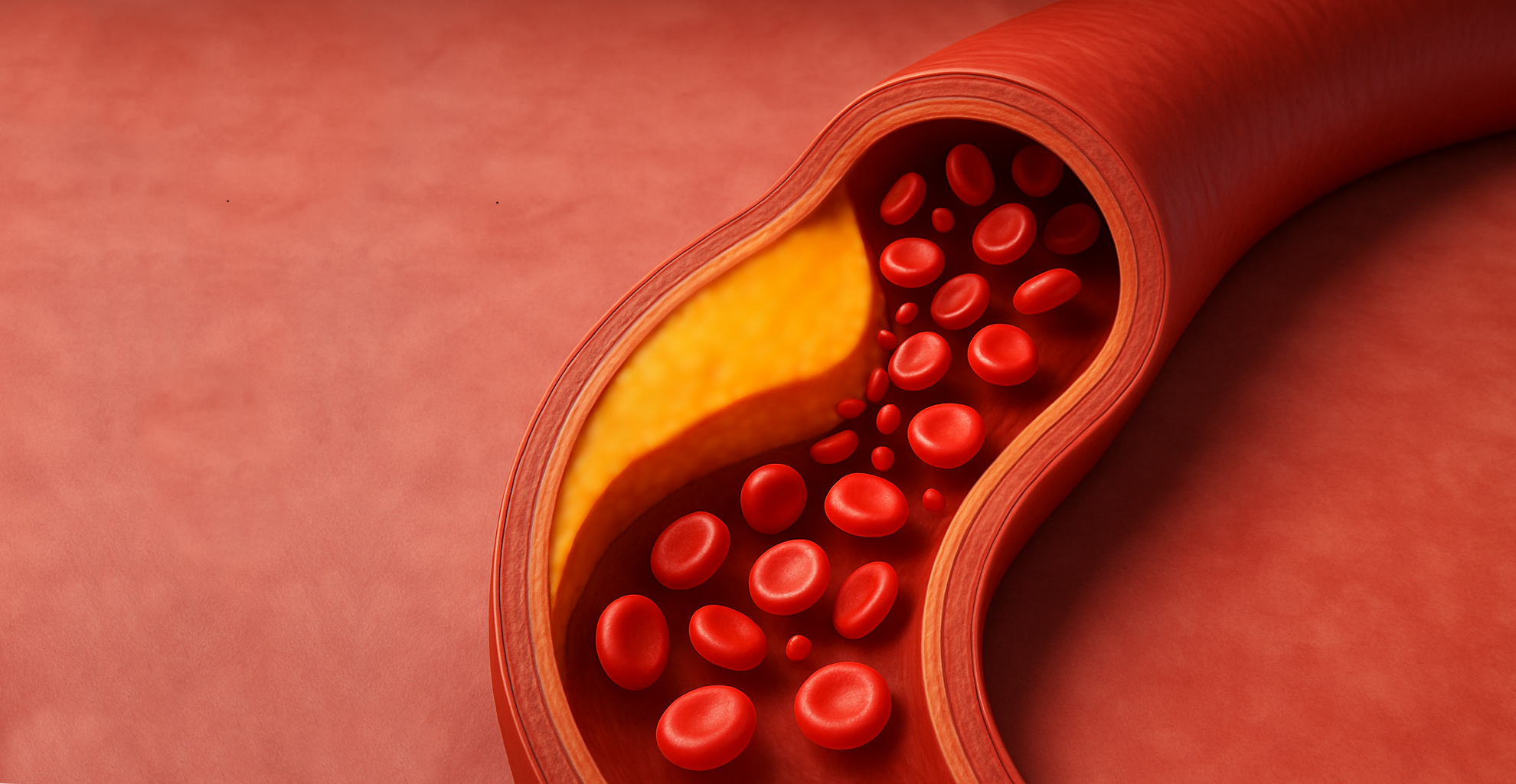
Atherosclerosis is the main underlying cause of cardiovascular disease. Stroke and myocardial infarction are often fatal or debilitating consequences of a thrombus resulting from the rupture of atherosclerotic plaques. The quality and quantity of plaque components can vary greatly, and its composition impacts overall vulnerability. A key factor in clinical patient assessment is the content of calcium in the plaque. Calcifications are easily visible using clinical imaging modules, and large calcifications are classically considered to indicate stable plaque.
However, plaque calcifications are not as homogeneous as previously assumed, and deeper characterisation is vital. This project will use spatial proteomics to determine extracellular matrix profiles specific to large calcifications of differing structures in human atherosclerotic plaques. These plaques will be identified using multiple imaging modalities, including synchrotron-based imaging, µCT (microCT) and photon-counting computer tomography, as well as classical histology. Furthermore, we will investigate the associations between these proteomic profiles and features of particularly vulnerable plaques and ruptures. Increased fundamental knowledge of the molecular development of plaques would provide new insights into the mechanism of atherosclerosis. The ability to distinguish between calcification profiles and their association with plaque vulnerability would have immediate clinical value in improving patient risk stratification.
For further information about this HALRIC pilot project, please contact:
Luke F. Gamon
University of Copenhagen
lgamon@sund.ku.dk
Annelie Shami
Lund University
annelie.shami@med.lu.se