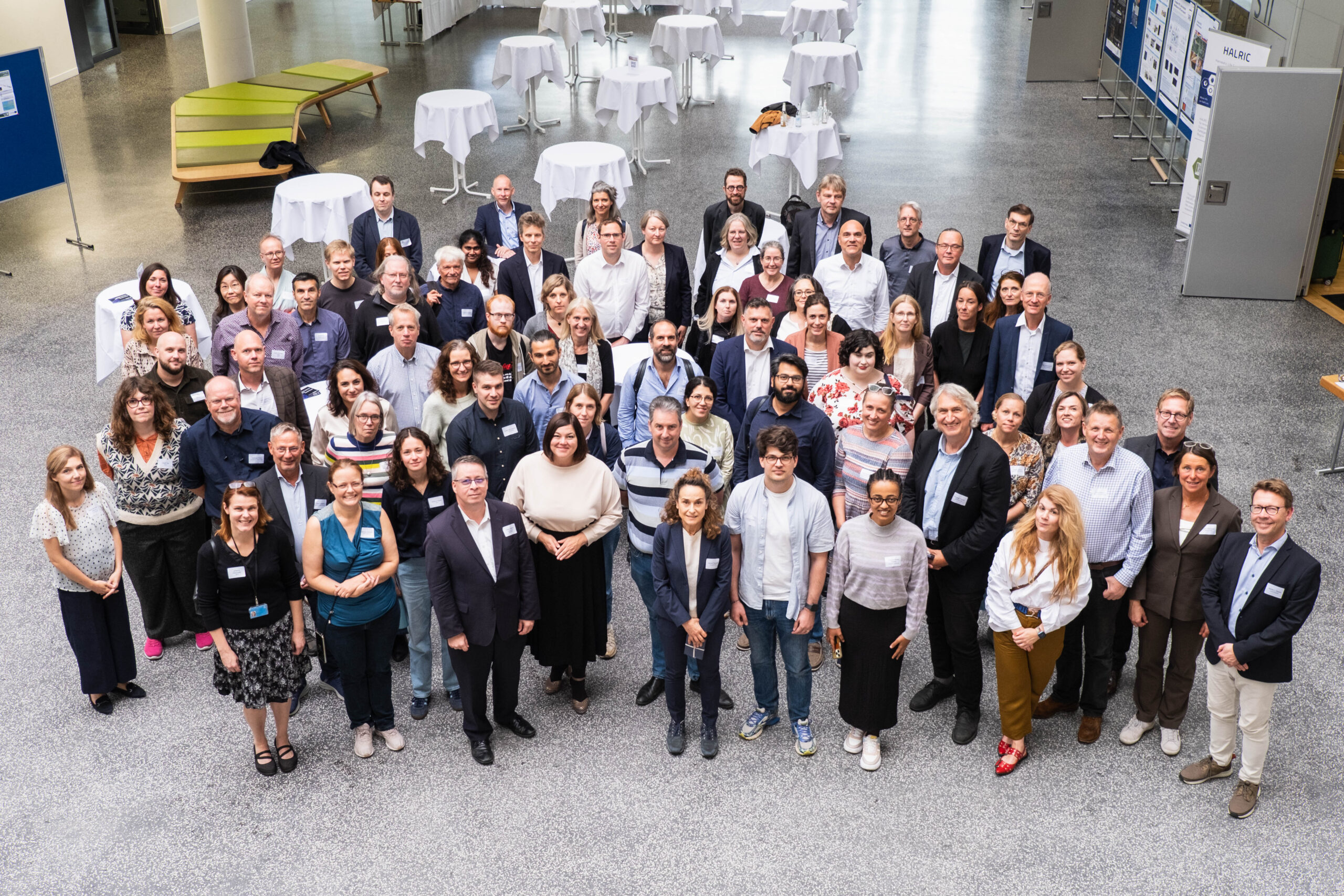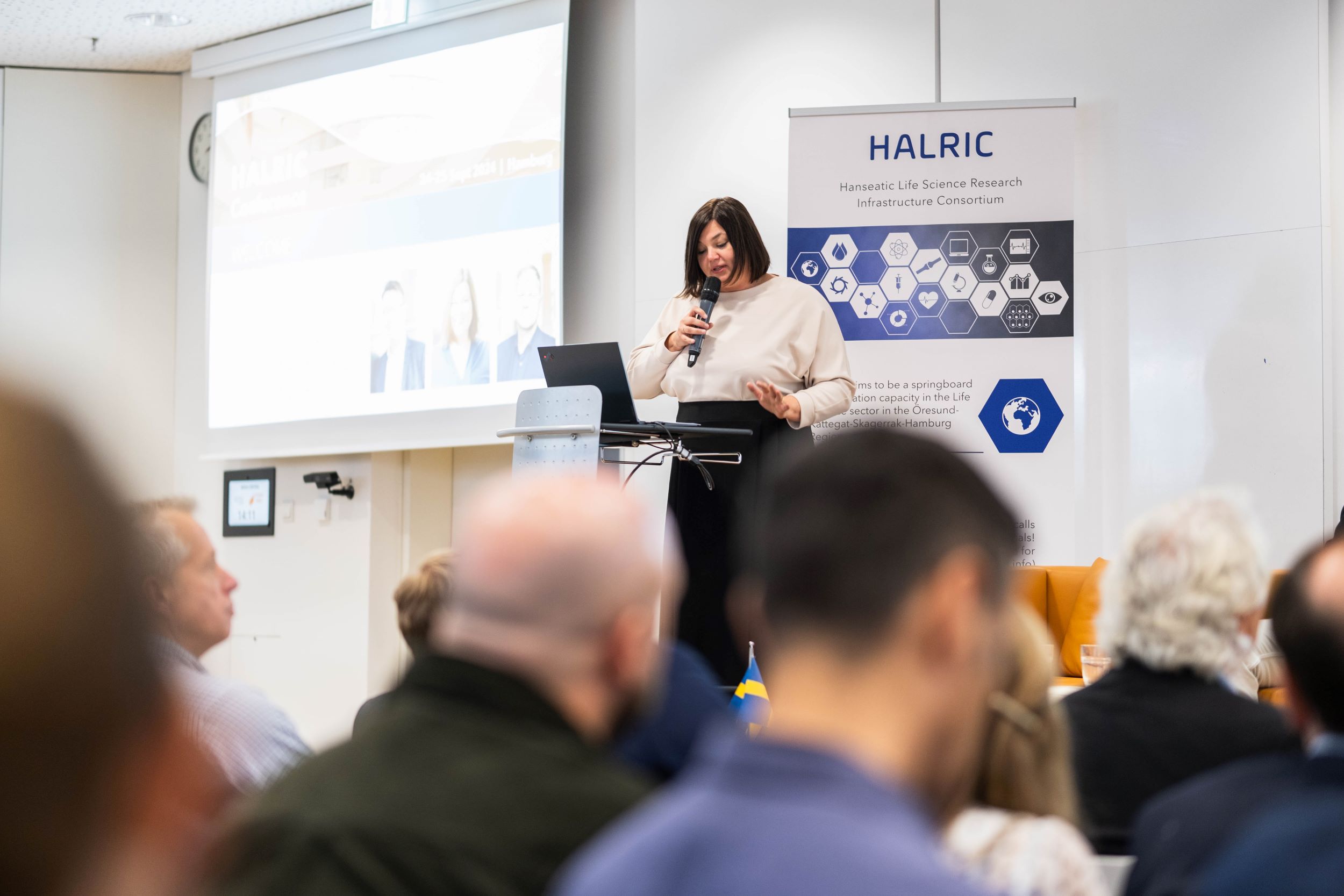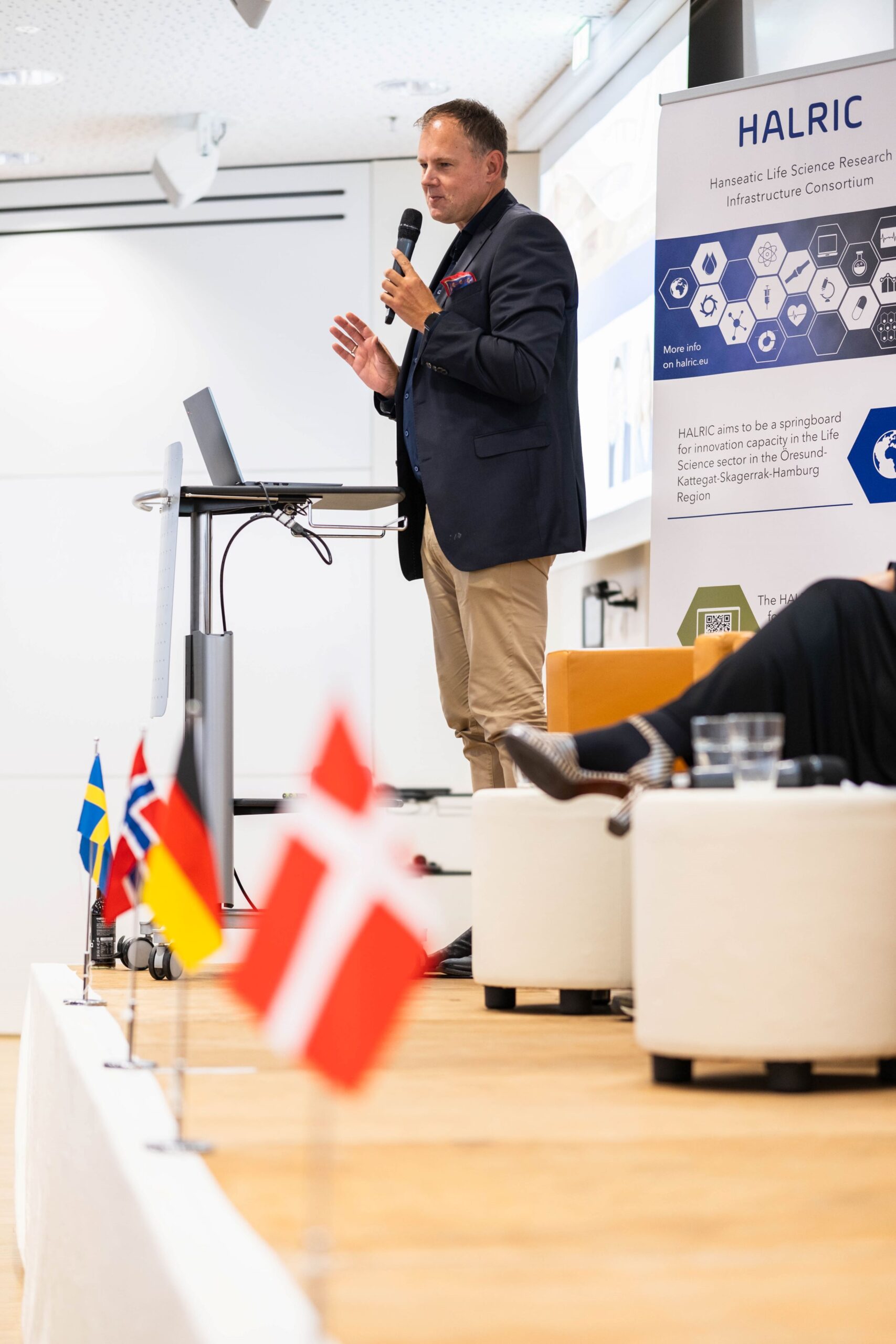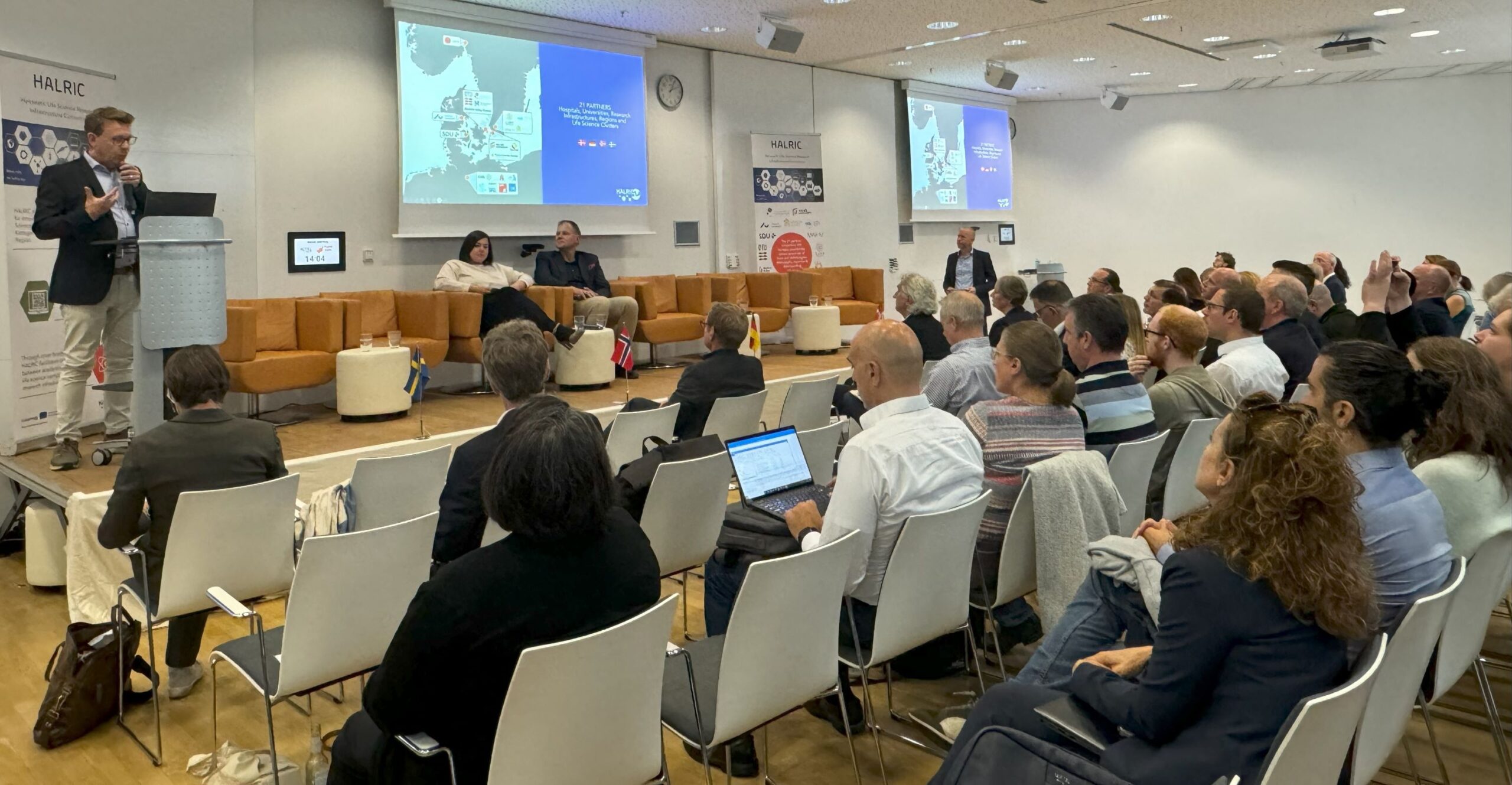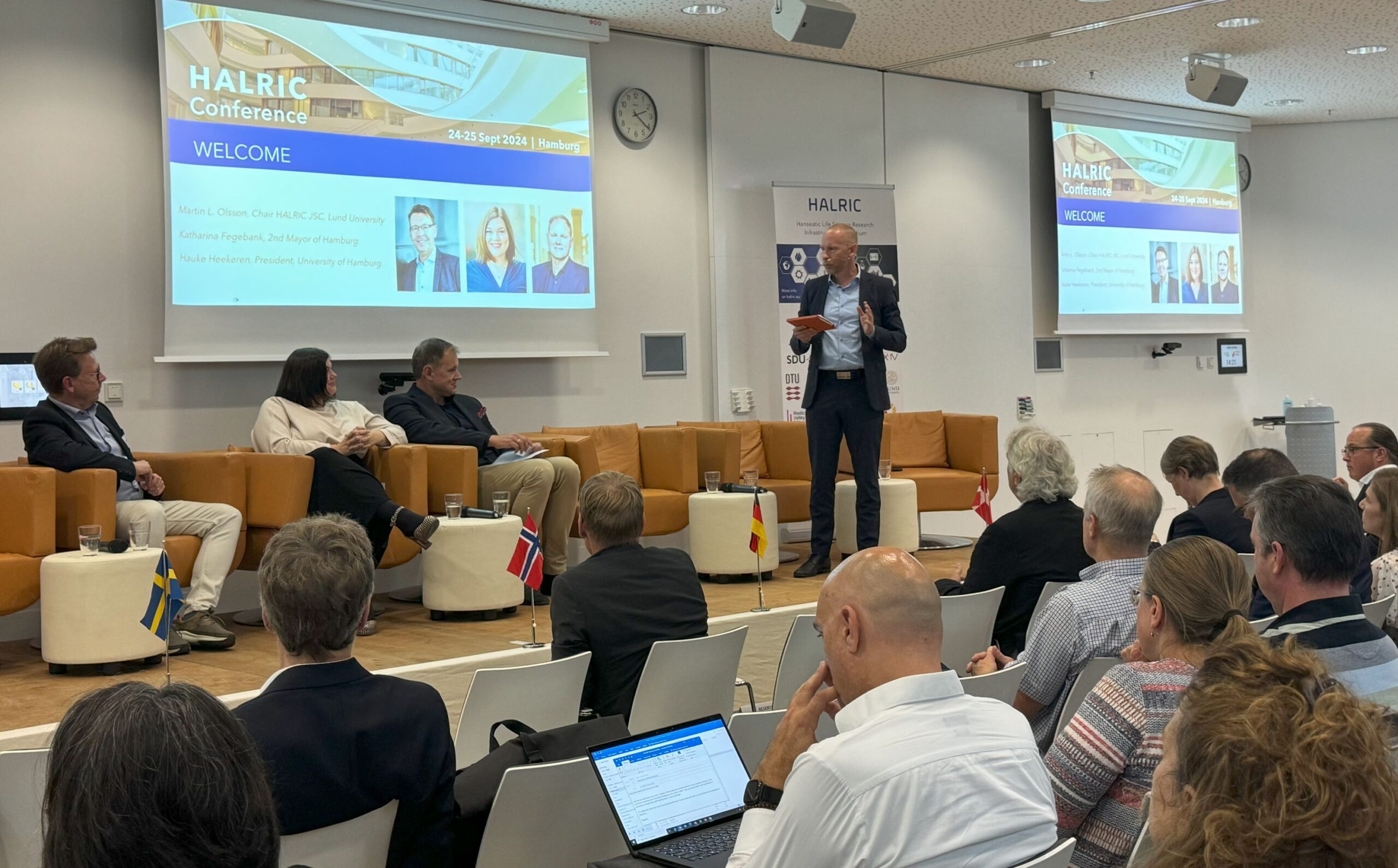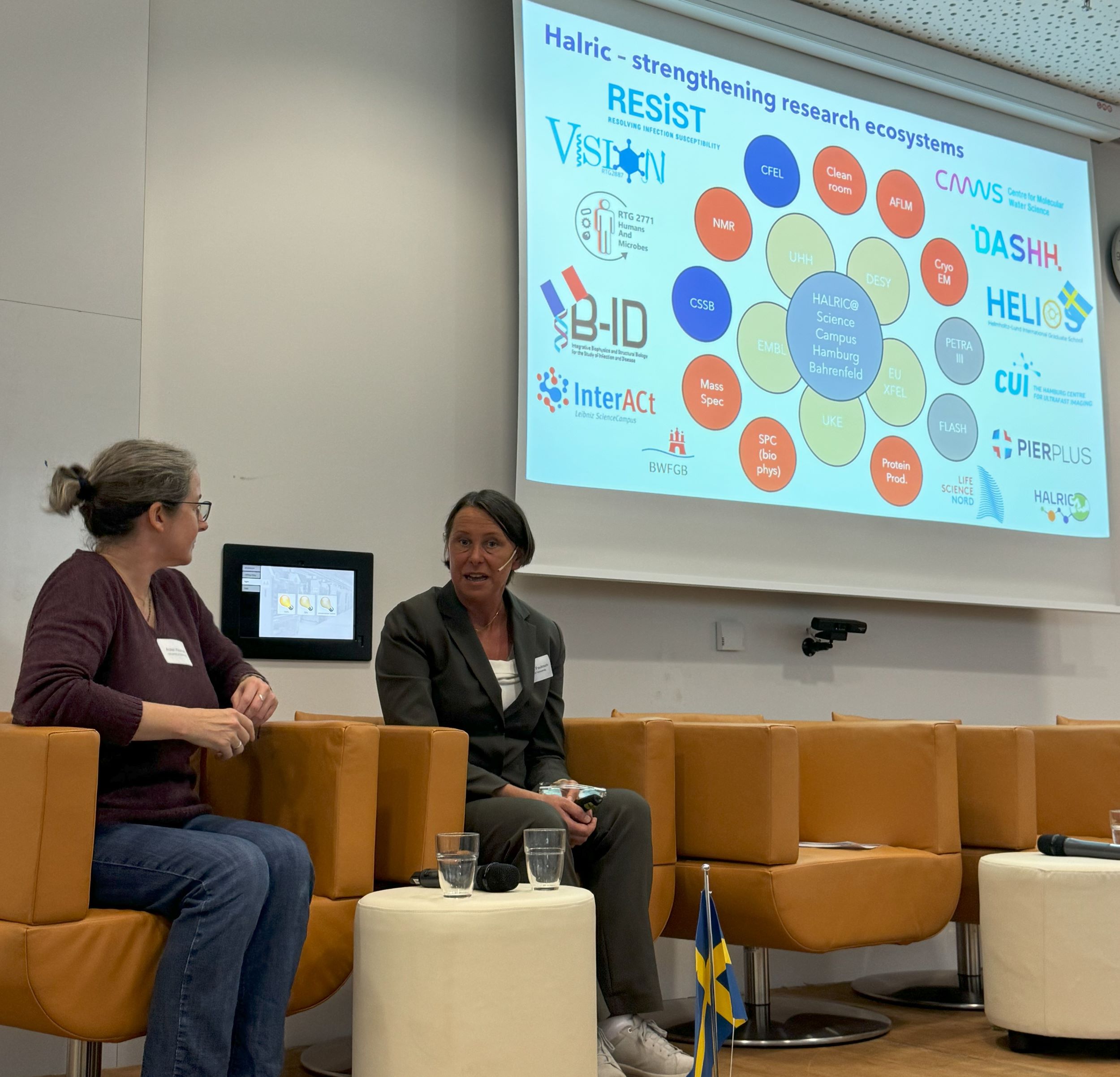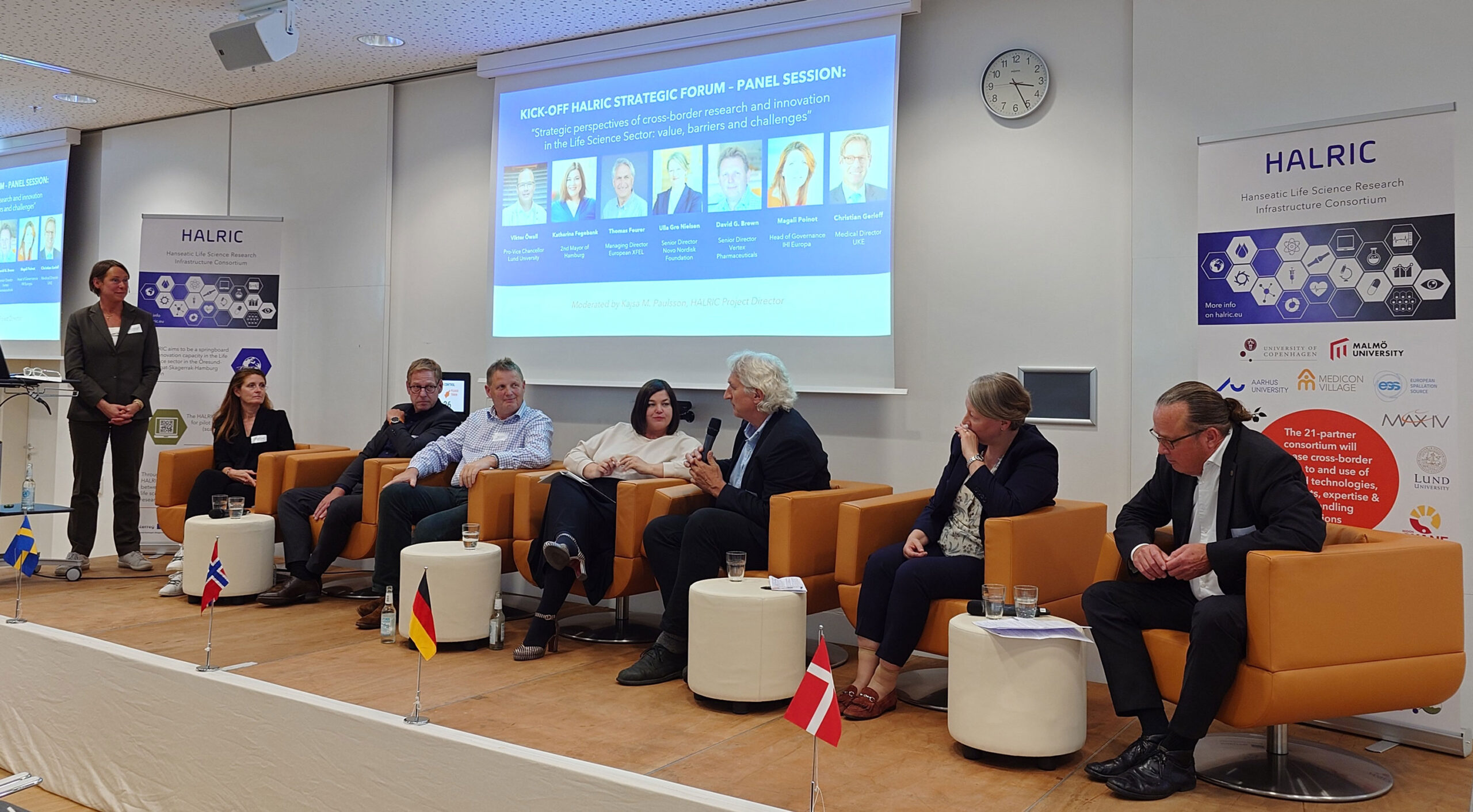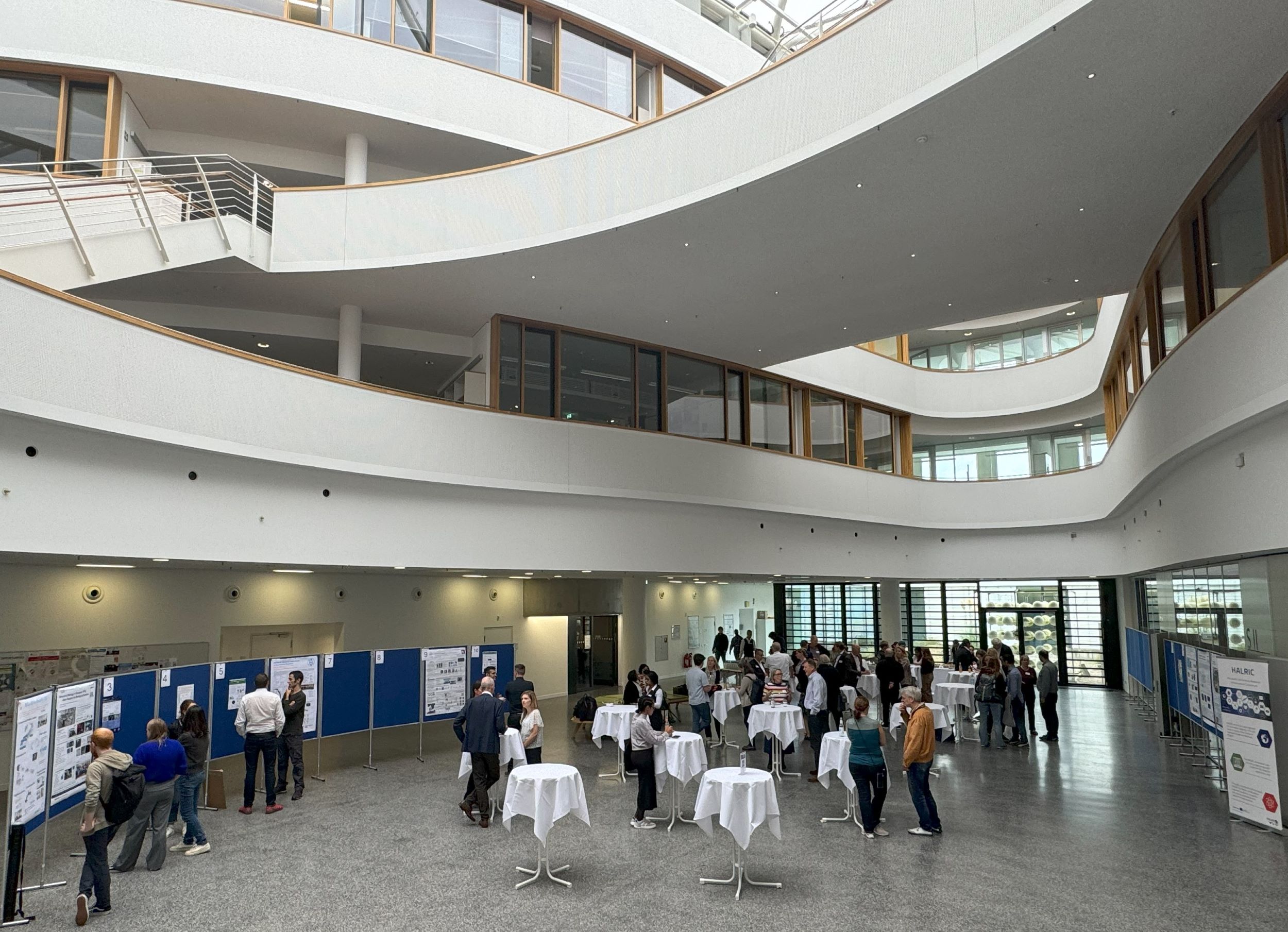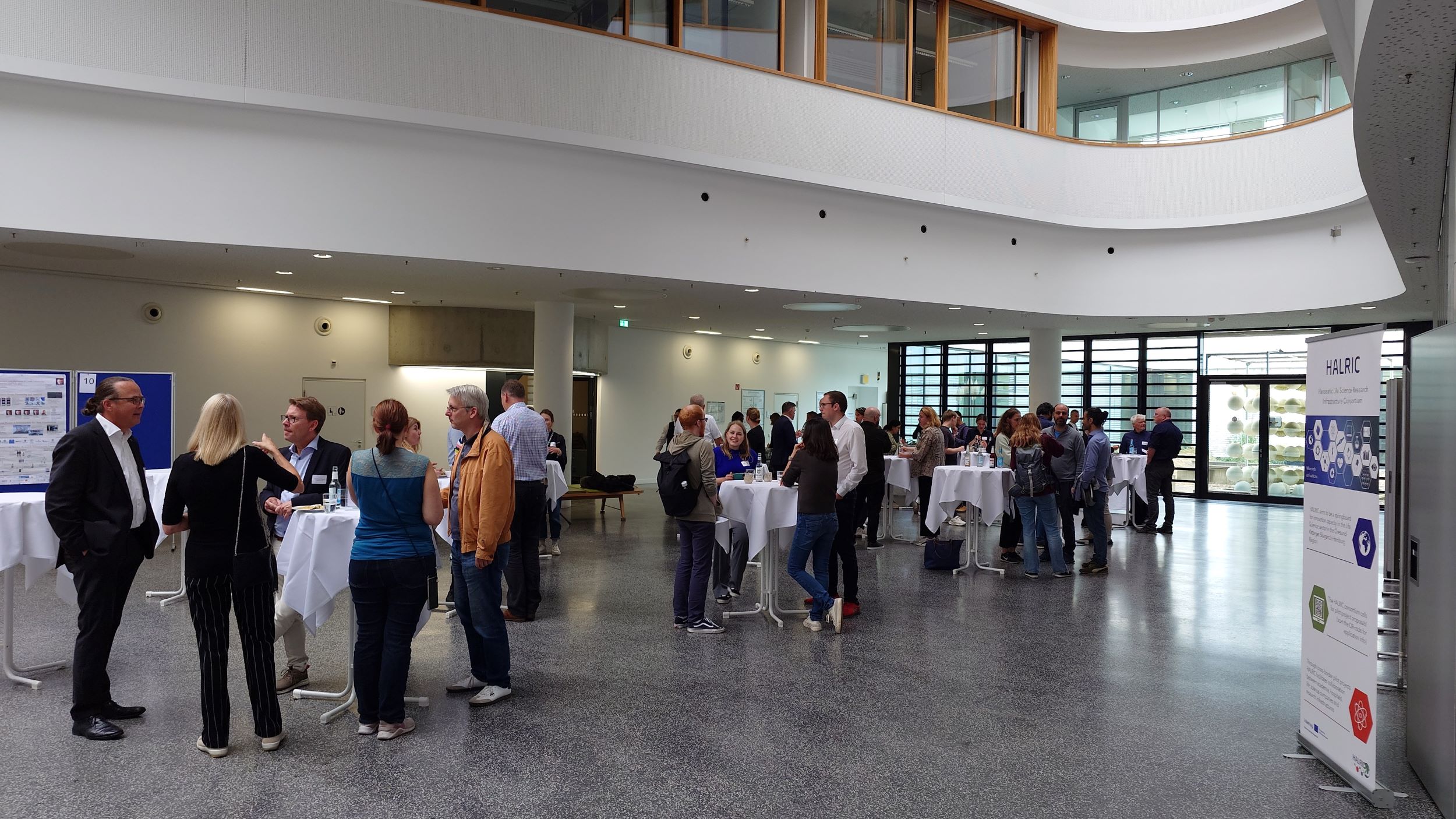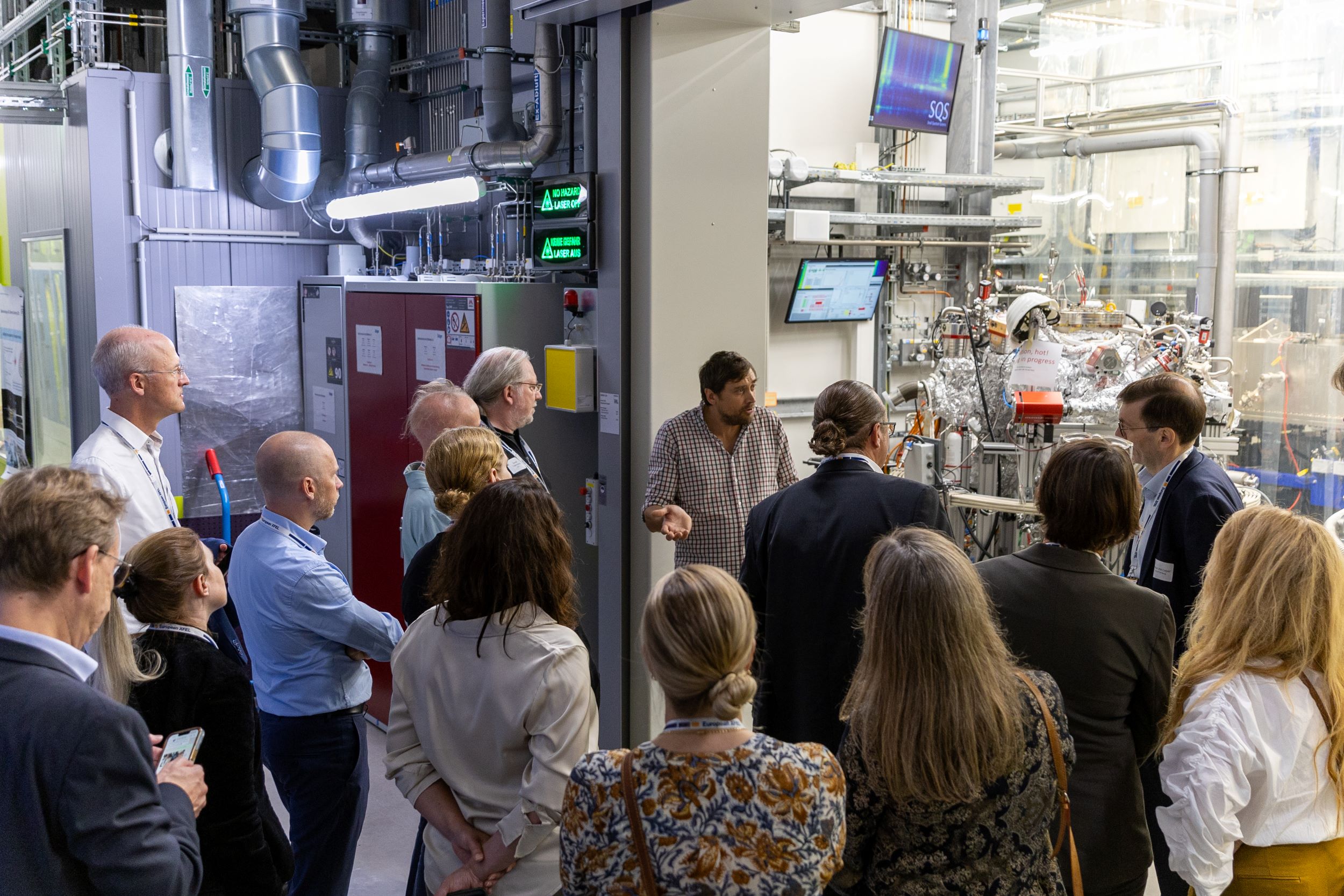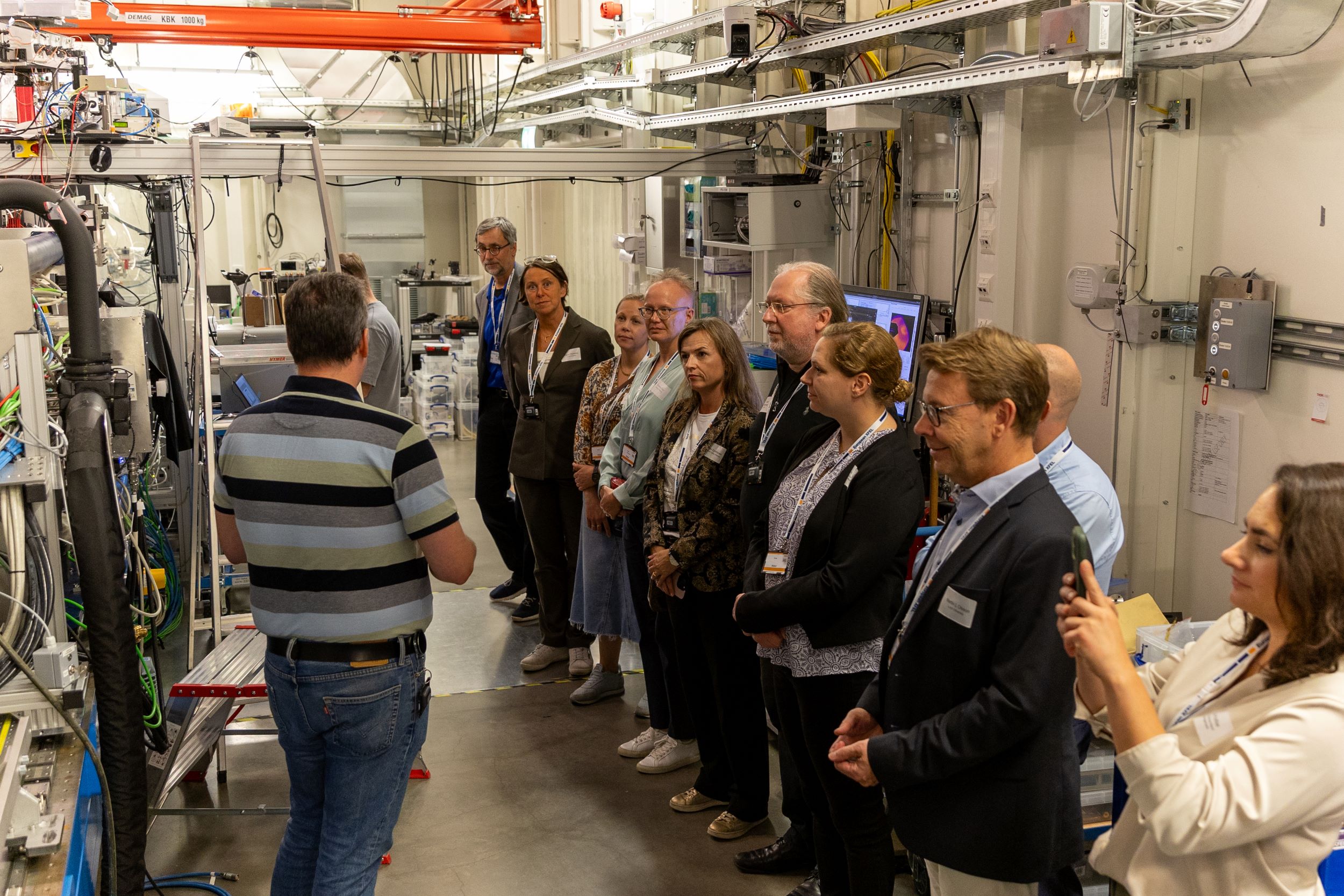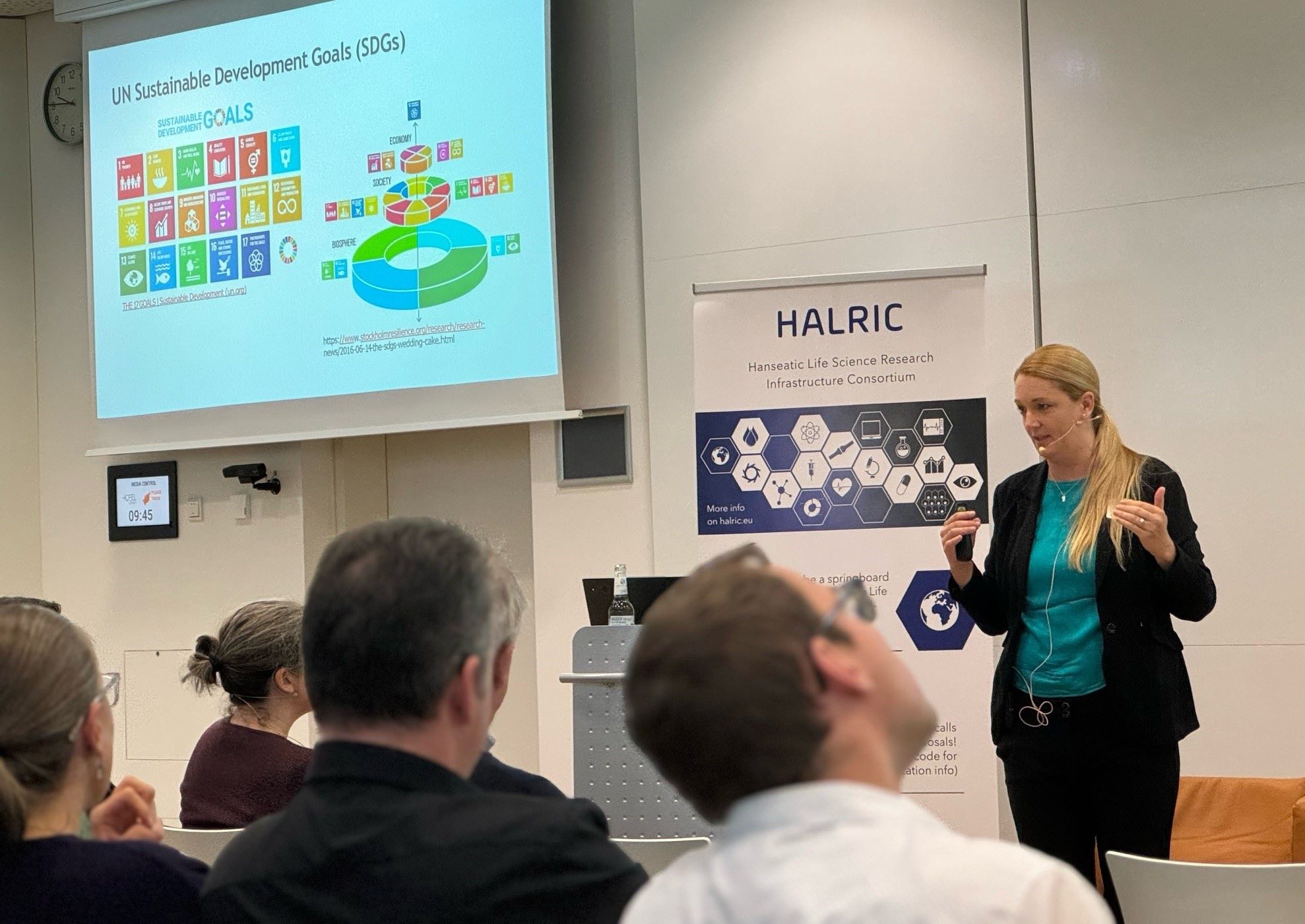
On 24-25 September over 100 people attended HALRIC’s conference at the Bahrenfeld Campus in Hamburg. The first day kicked off with a high-level panel session, officially launching HALRIC’s Strategic Forum activities with different perspectives from politics, industry, academia, hospitals, Research Infrastructures and funding organisations.
“It was a pleasure to see the energy and commitment from all participants and the launch of the strategic platform marks an exciting step forward. HALRIC is all about fostering collaboration across sectors and borders—uniting academia, industry, and hospitals with world-class infrastructures, both small and large-scale such as MAX IV, ESS, DESY, and European XFEL. Together, we are tackling the most critical challenges in Life Science research and driving innovation forward,” said Kajsa M. Paulsson, HALRIC Project Director, Lund University.
Under the title “Strategic perspectives of cross-border research and innovation in the Life Science Sector: value, barriers and challenges” an engaging discussion took place between the panellists on critical topics with some of the following punchlines:
🔸 Science knows no borders and research must still be a political priority from local to EU level! - Katharina Fegebank, 2nd Mayor of Hamburg.
🔸 Viktor Öwall, Pro-Vice Chancellor, Lund University strongly backed the view that HALRIC can play a key role in translating research problems to solutions, which was brought forward in the opening address by Hauke Heekeren, President, University of Hamburg.
🔸 We must be mindful that SMEs may not have the practical and legal overview when entering collaborations - they need support! - David G. Brown, Senior Director, Vertex Pharmaceuticals Europe Ltd.
🔸 Europe must remain at the cutting edge of interdisciplinary, sustainable patient-centric health research - Magali Poinot, Head of Governance, Innovative Health Initiative, Brussels.
🔸 We need even more collaboration to develop next generation technologies – and we need other types of financial instruments than EU grants - Thomas Feurer, Managing Director, European XFEL.
🔸 The Life Science sector must be prepared for the future and upcoming paradigm shift, moving from large clinical trials towards targeted therapeutics.. - Christian Gerloff, Medical Director, University Hospital Eppendorf-Hamburg (UKE)
🔸 We must also think about the basic infrastructure in the region to enable collaboration - such as improving the train journey from Denmark to Hamburg! - Ulla Gro Nielsen, Scientific Director, Novo Nordisk Foundation.
Ulla also highlighted the importance of remote access to the vast data collected at Research Infrastructures and to related analysis tools. HALRIC address this with its Hanseatic Science Cloud, which is focused on making compute resources and acquired datasets accessible, regardless of their location. This also taps into HALRIC’s sustainability agenda of sharing resources. And on this topic the conference participants got inspired by Prof. Laura Edinger- Schons, who kicked off the second day with a talk on innovating and cooperating for a sustainable future, based on her role as Chief Sustainability Officer, University of Hamburg.
28 HALRIC pilot projects marks the first half of the project
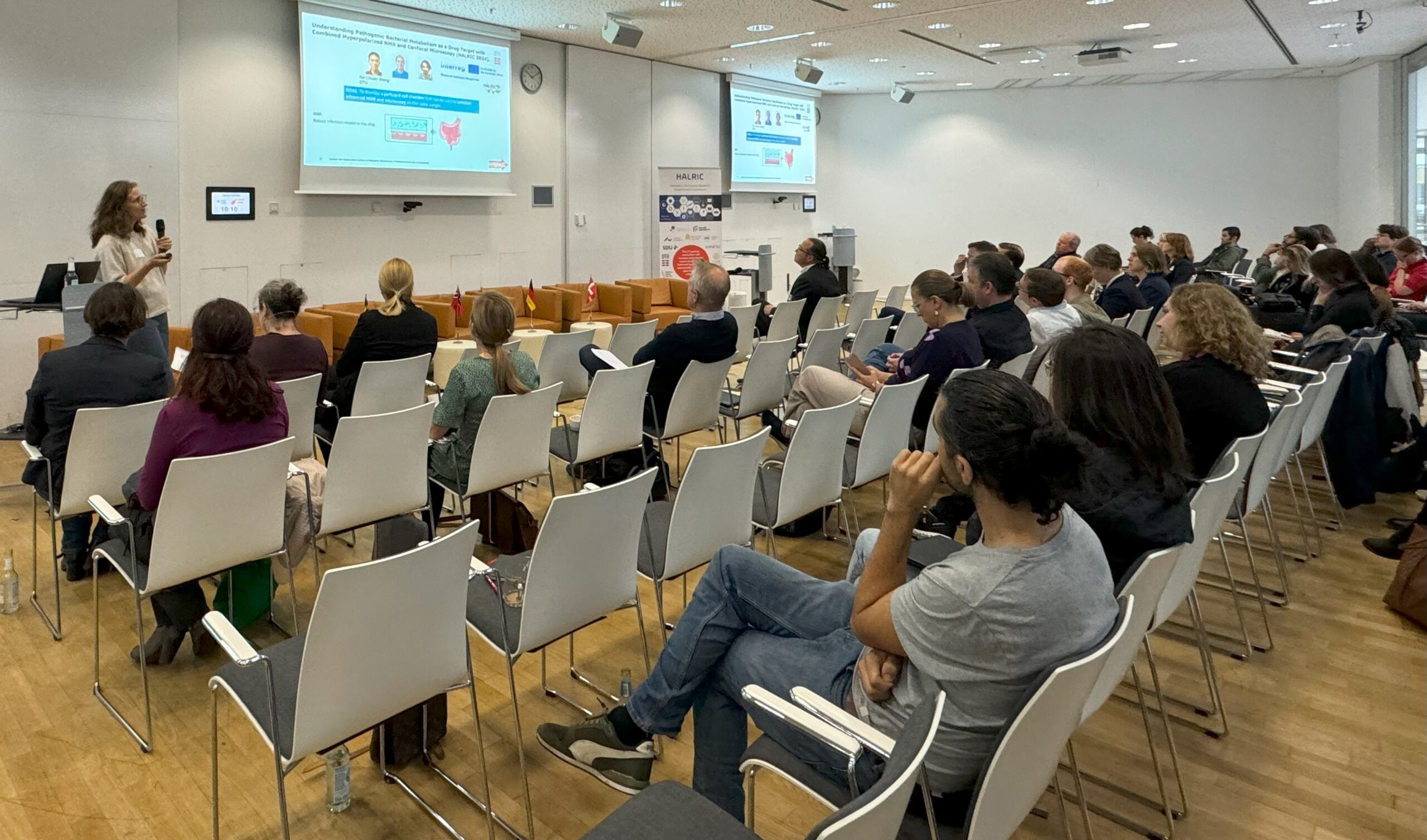
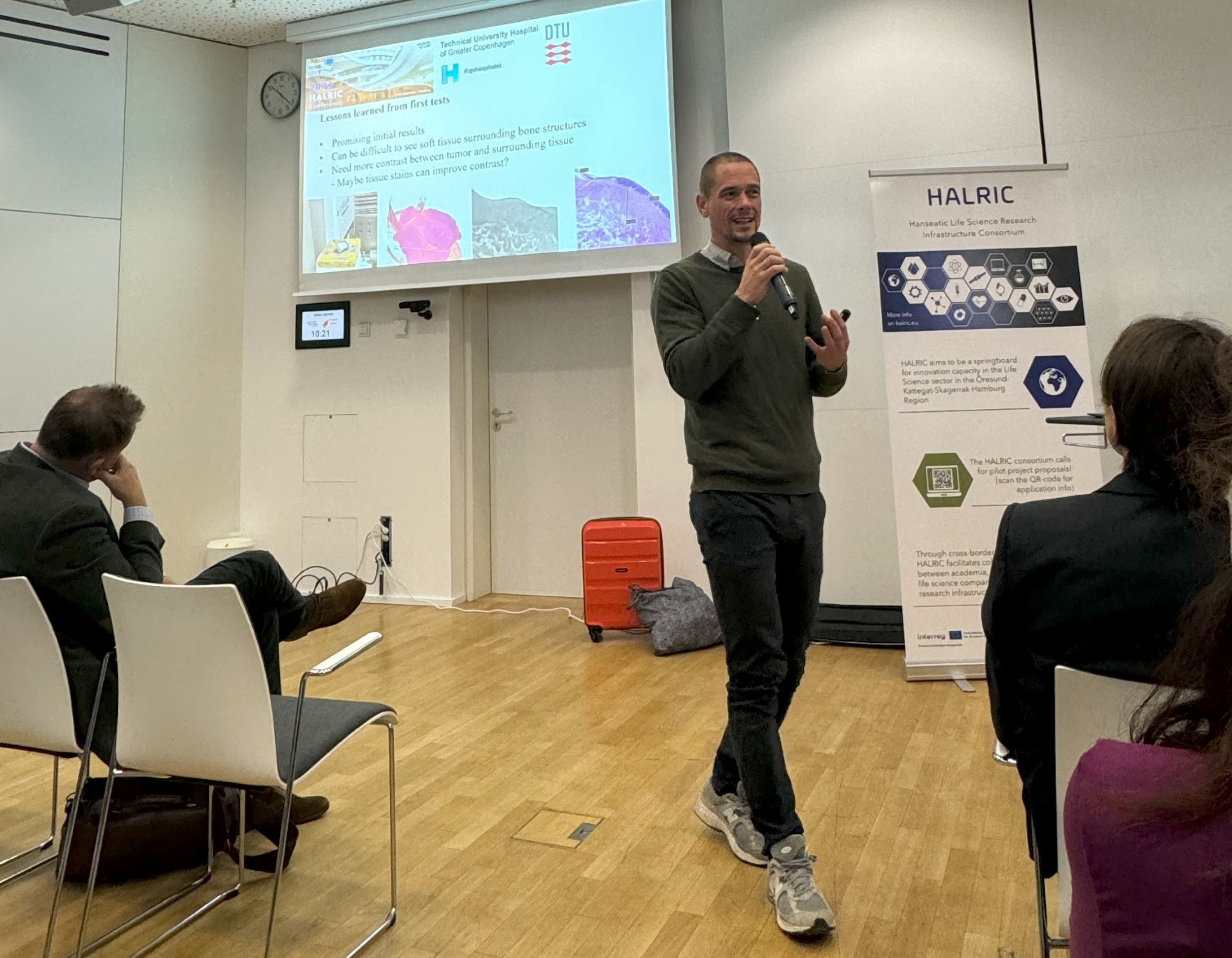
In their roles as Swedish and German representatives on the HALRIC Management Team, Kajsa M. Paulsson and Arwen Pearson jointly presented a half-way status of this 3-year project supported by EU-Interreg ÖKS. They could reveal that there are now 28 HALRIC pilot projects out of the final target of 75. And following the last call for proposals, which closed the week before the conference, another 11 pilot projects have been approved! The program continued with examples of pilot projects that also bring in new user groups from industry and hospitals in addition to facilitating collaboration between Research Infrastructures:
🔸 By 2050 drug-resistant infections are predicted to cause more deaths than cancer. Pernille Rose Jensen from DTU presented groundbreaking work aimed at closing the technological gap between NMR and microscopy, by developing organ-on-chip technologies for NMR detection, with the potential to provide new insights into antibiotic mechanisms. One step of the journey is the HALRIC pilot project with the University of Hamburg and start-up company JD Coils.
🔸 Cancer surgery, which seeks to achieve complete tumor resection with healthy tissue margins, is the focus of another HALRIC pilot project presented by Tobias Todsen from Rigshospitalet. Together with DTU-Compute and MAX IV, he explores the use of micro-CT to improve surgical outcomes through enhanced margin assessment.
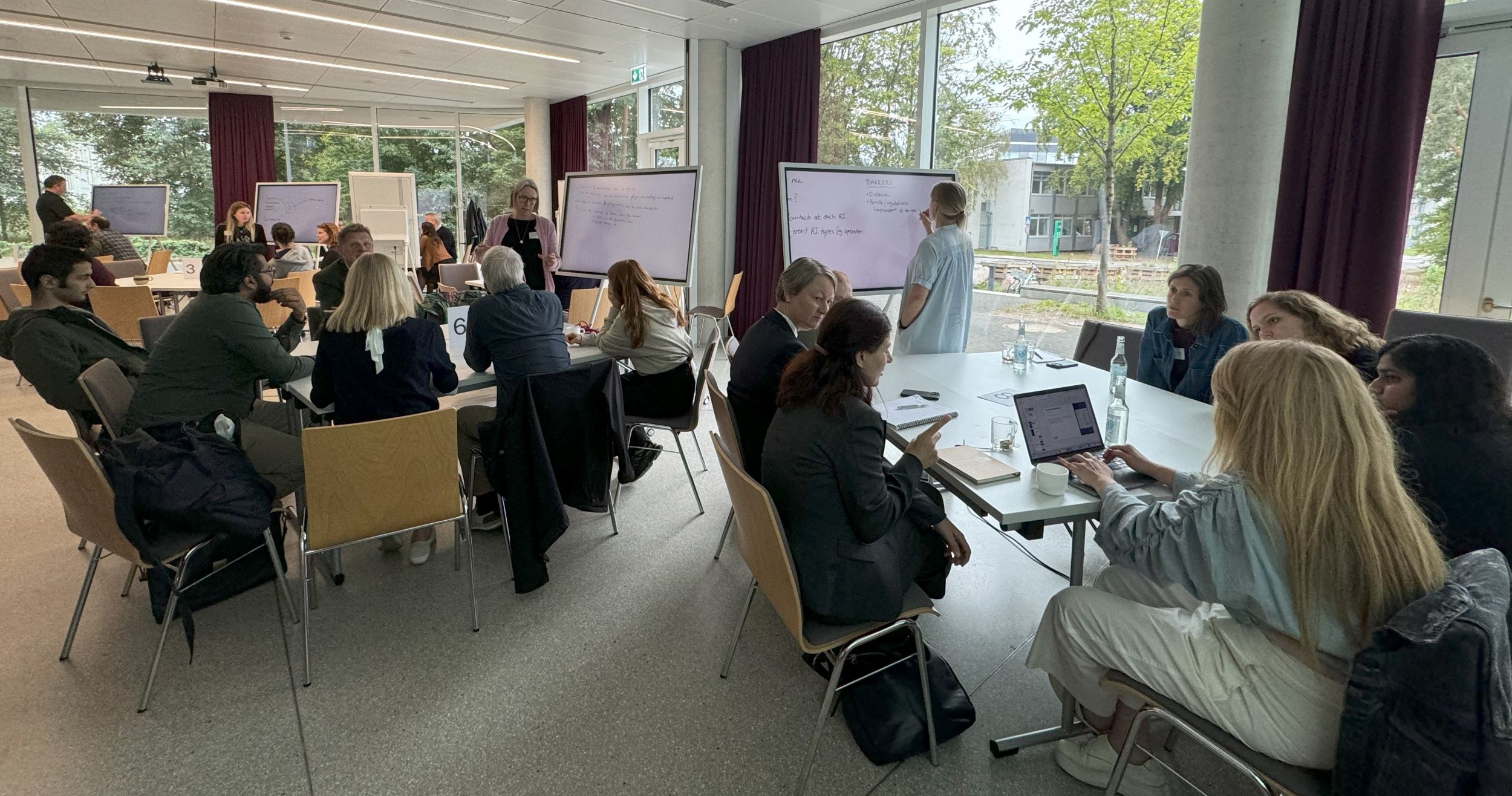
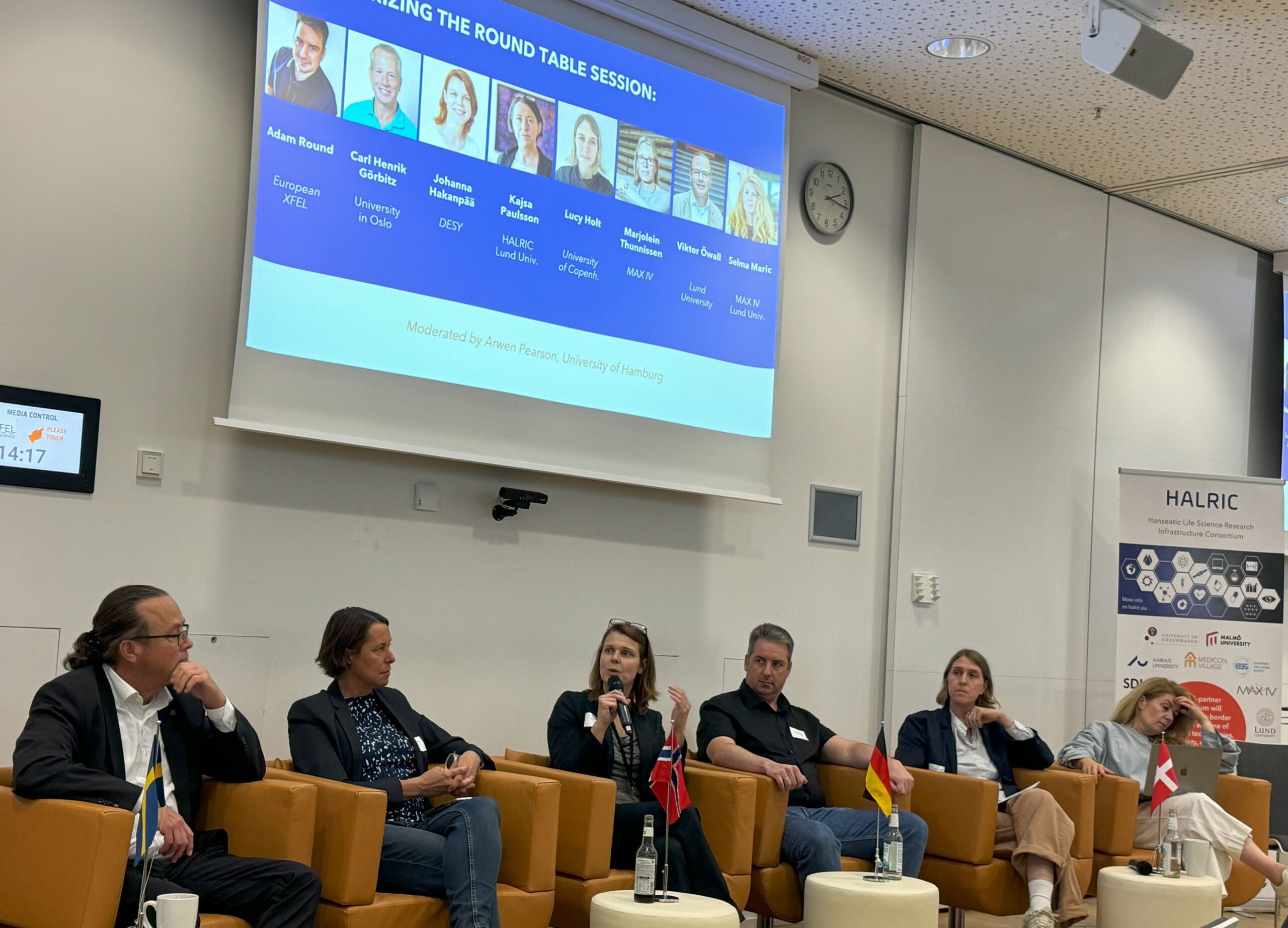
In a further round table session, all participants discussed how HALRIC can facilitate stronger cross-border collaborations and continue to work towards actionable strategies to reduce barriers and increase access to joint advanced resources. The conference concluded with an energetic panel summarizing the session and discussing how HALRIC can continue to spur innovation through the utilization of Research Infrastructures in Life Science.
“I look forward to the new opportunities and innovations that will emerge from our collaborative efforts in the HALRIC Region”, concluded Kajsa M. Paulsson who also warmly thanked the organizing team at Medicon Valley Alliance, as well as European XFEL for the tour of their facility and not least all the speakers and attendees for making the event such a success!
See pictures from the kick-off conference:
Copyright info: UHH/Feurerböter (first 3 pictures) / European XFEL (2 pictures from the tour)